The first hot week of the year tends to separate well-maintained homes from wishful thinking. Phones light up at every hvac company in town, and suddenly the difference between a fair quote and a costly mistake becomes very real. I have seen homeowners save a few hundred dollars on an installation, only to spend a few thousand fixing the fallout two summers later. I have also seen people pay top dollar for excellent equipment, then watch the investment underperform because the design and commissioning were rushed. Price matters, but it never tells the whole story. Value lives in the long tail: lower energy bills, steady comfort, fewer breakdowns, and warranty headaches you never have.
This is a practical guide to weighing price against value when you choose ac repair services, a new system, or ongoing hvac services. It draws on field realities, not brochure promises.
Why quotes look so different
Homeowners often collect three quotes and find a spread that seems unbelievable. One company proposes a 2.5-ton heat pump with duct modifications and a higher SEER2 rating, another suggests a 3-ton replacement “like for like” with no duct work, and the lowest bidder offers to reuse the line set, skip the load calculation, and “get you cool by tomorrow.” The scope is not the same, so the numbers won’t be either.
There are three drivers behind dramatic price differences. First, diagnostic depth and design. A company that measures static pressure, inspects duct leakage, and performs a Manual J load calculation is designing a solution, not just selling a box. Second, installation quality. Proper refrigerant charge, airflow balancing, condensate management, and outdoor clearances take time. Third, business model. Some companies survive on volume and discounts, others on seasoned techs and longer warranties. Knowing which is which helps you read the quote with clear eyes.
The real meaning of “value” in HVAC
When clients say they want a fair price, they usually mean they don’t want to overpay for shiny features they won’t use. Value, however, lives in outcomes, not features. A good installation stabilizes indoor temperatures within a degree or two, keeps humidity comfortable in shoulder seasons, and avoids nuisance trips from undersized breakers or sloppy drain lines. Over ten to fifteen years, a right-sized system, properly commissioned, can cut operating costs by hundreds per year, reduce emergency ac repair calls, and extend equipment life by several seasons. That long arc is where value beats price.
Think of value as a bundle of benefits spread over time. It includes predictable comfort through the hottest week of July, the quiet confidence that a drain pan has a float switch, and the absence of midnight leaks staining the ceiling. It shows up in lower blower noise because duct transitions were properly designed rather than jury-rigged. You rarely see these line items on a quote, yet they are the difference between a system you forget about and one that becomes a hobby you did not ask for.
The cost of cheap
I keep a logbook of callbacks. The most common ones trace back to corners cut during installation or repair. Reused line sets with acid contamination that eat a compressor two summers later. Improper evacuation that leaves non‑condensables in the system and quietly strangles efficiency. No secondary pan under an attic air handler, so one clogged drain becomes a living room repaint. An oversized unit that short cycles, never dehumidifies properly, and leaves the homeowner to buy portable dehumidifiers to compensate.
These are not horror stories, they’re ordinary outcomes of “good enough” workmanship. A low price can still be a bad deal if it carries a higher probability of failures and higher energy bills. A five hundred dollar discount can evaporate in one emergency service call during a heat wave. Worse, it might void portions of a manufacturer warranty if installation standards weren’t met.
When paying more truly pays off
You do not need every premium bell and whistle. Not every home justifies variable-speed everything. But certain investments routinely produce outsized returns. Proper load calculation and duct verification is the first. Systems that match the home’s actual load avoid short cycling and keep humidity under control. Second, clean duct design with adequate return air. A return undersized by 20 percent can throttle a new system, making a brand-name unit behave like a budget one. Third, controls and commissioning. Setting correct airflow (CFM per ton), verifying temperature split, and documenting superheat and subcooling on day one protects your efficiency for years.
On equipment, mid-tier models, properly installed, often outperform top-tier units installed carelessly. That said, heat pumps with higher HSPF2 in cold climates or two-stage cooling in humid regions can earn their keep by reducing emergency ac repair incidents and stabilizing indoor conditions. If the quote includes a labor warranty that actually covers onsite diagnostics and refrigerant, not just parts, that has tangible value during the life of the system.
The anatomy of a good quote
You can learn a lot by how a company writes a quote. The best ones read like a short job plan. They specify equipment model numbers, coil pairing, and efficiency ratings. They list whether the line set will be replaced or flushed and pressure tested. They include details about the pad, disconnect, whip, drain configuration, float switch, and thermostat compatibility. They mention permits, inspection, and whether the company will register the equipment for extended manufacturer warranty. They show labor warranty terms in plain language.
A thin quote that just says “3-ton condenser and air handler, installed,” makes everything else you care about invisible. If a company will not put the scope in writing, they may not intend to do it.
Where ac repair services fit into the value equation
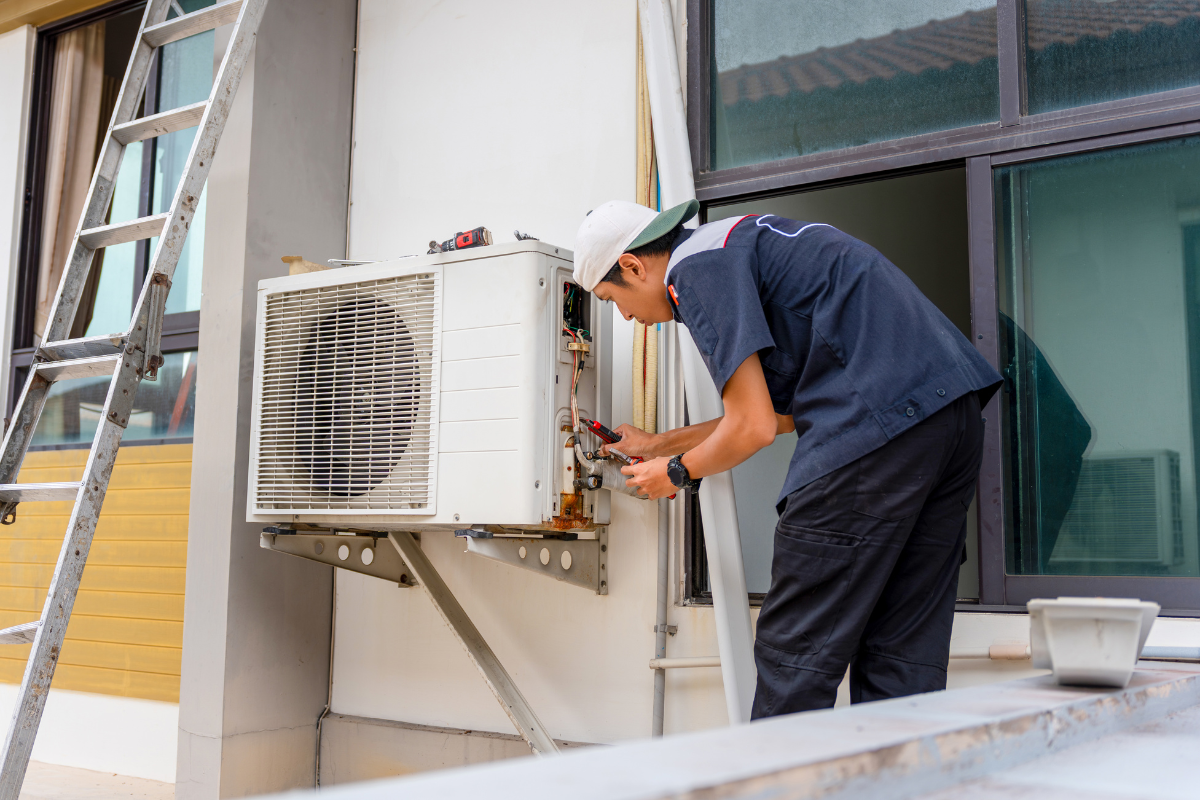
Most homeowners encounter their hvac company first through a service call. The house is hot, time is tight, and a tech diagnoses a failed capacitor, a refrigerant leak, or a seized condenser fan motor. That brief interaction often sets the tone for the relationship. A strong service department does more than reset the breaker and hand you an invoice. They take superheat and subcooling, check static pressure, and look for causes, not just symptoms. They ask whether your unit has been short cycling, whether the drain line ever floods, and whether power spikes are common in your area. They advise whether a repair makes sense given the system’s age and condition, and they show you the numbers.
Good ac service is a filter. It helps you avoid prematurely replacing equipment when a solid repair will buy you five more years. It also gives you the confidence to stop sinking money into a unit that will strand you on the next 100-degree weekend. The companies that get this right build trust over years, not days.
Emergency ac repair without regret
When the system dies on a Saturday, “value” can feel abstract. You want cold air, fast. This is where preparedness and company culture matter. The best hvac services build capacity for surges: extra on-call techs, stocked vans, and a parts manager who tracks seasonal failure patterns. They do not double the rate just because it’s 8 p.m. They present options: stabilize tonight, complete the permanent repair Monday, or proceed with a one-trip fix if parts and time allow. They tell you what’s safe to defer and what isn’t.
If an emergency call results in a major recommendation, ask for a written estimate and a brief explanation of why it’s urgent. A failed blower motor is urgent when the air handler sits over drywall with no secondary pan. A hairline crack in a drain pan might be handled with a temporary pan tablet and scheduled replacement, depending on risk. The point is not to distrust urgency. The point is to ground it in specifics you can verify.
The quiet cost centers: ducts, airflow, and controls
A system is only as good as the air it can move. Many homes have ductwork that was sized for a smaller unit two renovations ago. High external static pressure forces blowers to run hard, wastes energy, and shortens motor life. Returns are often the bottleneck. Good companies test and report static pressure with the quote. If they propose to “fix” a comfort problem by upsizing the condenser without addressing supply and return constraints, the price may be lower, but the value will be too.
Controls are the other quiet cost center. An advanced thermostat can undermine comfort if the installer does not set staging, cycle rates, and dehumidification parameters correctly. I have walked into homes where the variable-speed air handler was stuck at a single speed because no one calibrated the DIP switches or control board settings. If your quote includes high-end controls, ask how they will be configured for your home. That answer separates sales from solutions.
Energy and lifetime costs in plain numbers
Homeowners ask how much a higher-SEER2 or better HSPF2 unit saves. The honest answer depends on climate, runtime, and electricity rates. A rough rule: moving from a 14.3 SEER2 baseline to 16.0 SEER2 can save around 8 to 12 percent on cooling energy in typical mixed climates. If your summer bill is 150 to 250 dollars per month, that can mean 150 to 300 dollars per season. Over a 10-year span, savings can outpace a modest price premium, especially if quality installation preserves those ratings in real operation.
Upgrades like better duct sealing and increased return capacity often deliver similar or better savings, because they let the system run at design airflow. These are the unglamorous investments with high payback and low risk, and they reduce noise and wear on the blower. Value hides in friction reduction just as much as it shines in equipment brochures.
Warranties that mean something
Most manufacturers offer 10-year parts warranties upon registration. Parts are not labor. A failed coil under parts warranty still leaves you paying for diagnosis, refrigerant, and hours of work. That is where a solid labor warranty from the hvac company earns its keep. A one-year blanket labor warranty is common. Two to five years on labor for premium installations is a sign the company stands behind its work and expects fewer callbacks.
Read the exclusions. Some labor warranties prorate or exclude refrigerant. Some require documented maintenance. Neither is unreasonable, but surprises are expensive. Value here is not the longest promise printed in bold. It is a clear promise that survives a real claim.
How to compare hvac company proposals without getting lost
Use a simple, apples-to-apples frame. Collect the proposals and normalize them. Note the equipment model numbers and capacity, the scope of duct or electrical work, and the commissioning steps promised. Ask the salesperson to show their load calculation results, even high level. If you see a round number that looks like a guess, it probably is.
Then look at total cost of ownership. Add the price of the https://felixmdcm125.timeforchangecounselling.com/ac-repair-services-for-noisy-blowers-and-fans-1 job, the length and strength of the labor warranty, and expected energy costs based on efficiency. Subtract the cost you would avoid in likely repairs on your current unit over the next few years. If two quotes look close on annualized cost, choose the company with better documentation, clearer scope, and a service department you trust. You are hiring future support as much as you are buying metal and refrigerant.
What experience looks like onsite
Experienced installers work quietly and steadily. They put down floor protection without being asked. They level the pad and check clearances for service access. They braze with nitrogen flowing to prevent oxidation. They pull a deep vacuum and verify with a decay test, not just a quick gauge glance. They weigh in refrigerant by the manufacturer’s charging chart and confirm charge with superheat or subcooling as appropriate. They set float switches, test the drain with water, and label the disconnect. Before leaving, they show you filter access and explain maintenance intervals.
This is not about white gloves. It is about habits that prevent the most common failures. If you have ever paid for a compressor replacement, you know how valuable those quiet habits are.
When repair beats replacement, and when it doesn’t
There is no universal cutoff, but certain patterns help. If an out-of-warranty compressor fails on a 12-year-old unit with a leaking evaporator coil and high static pressure, replacement is usually the sober choice. If a six-year-old unit needs a new capacitor and contactor, repair is obvious. In between, weigh the cost of the repair against the remaining expected life and the likelihood of cascading failures. A blower motor in an R-22 system near the end of its life might be worth replacing if the rest of the system is sound and you need another year to budget, but be honest that you are buying time, not an investment.
A good hvac company will show you failure modes they have seen on your model and the local parts availability. If the repair hinges on a coil with a multi-week lead time in peak season, your risk tolerance matters. Value is different for a home office relying on constant cooling than it is for a guest room that sees occasional use.
Maintenance as an insurance policy you control
Annual or semiannual maintenance is the cheapest form of risk management in hvac. A tech who cleans the coil, checks refrigerant levels, tests safety devices, and logs static pressure trends becomes your early-warning system. A slow drain caught in April is one less emergency in July. A weak start capacitor replaced at a scheduled visit avoids a no‑cool on Sunday. Many companies offer maintenance plans with discounts on parts and priority scheduling. The benefit is not the 10 percent off a blower wheel, it is the absence of emergencies when supply houses are slammed and technicians are fully booked.
If you sign a maintenance plan, ask for service reports with numbers, not just a checklist with boxes ticked. A static pressure trend over two years tells you more about duct health than any marketing flyer can.
How to spot red flags without being cynical
Not every low price indicates a corner cut, and not every high price buys excellence. Still, certain signals correlate with trouble. If the company refuses to pull permits where required, pushes equipment size without measurements, or insists that ductwork “doesn’t matter,” be cautious. If they cannot explain their labor warranty or seem vague about commissioning steps, they may treat installation as a commodity.
On the flip side, beware of overselling. You probably do not need an ultra-premium inverter system for a small, tight condo that already stays comfortable. You might not need an elaborate zoning system if the comfort issue stems from a single under‑returned room. A company that right-sizes the solution, and sometimes talks you down from a bigger sale, is showing you where value lives.
The role of brand, and where it is overblown
Brand matters less than most advertising suggests. Many mainstream manufacturers share components and even assembly lines. Differences emerge in controls, coil materials, and dealer networks. What matters most to you is the installer’s familiarity with the platform and the local parts pipeline. If the company is a top-tier dealer for a specific brand, they often get faster warranty parts and better technical support. That is real value when something unusual fails. But a great installer of a second-tier brand will outperform a mediocre installer of a prestige badge. Prioritize the team, not the sticker.
A practical shortlist when you are ready to hire
Use this lightweight checklist to keep the focus on value while you compare bids.
- Ask whether they performed or will perform a Manual J load calculation and measure static pressure, and request a summary of results. Request a detailed scope of work that covers duct modifications, line set strategy, commissioning tests, permits, and labor warranty terms. Verify that the company handles equipment registration and provides service reports with numeric readings after installation or ac service. Ask about emergency ac repair capacity during peak season and whether rates or response times change after hours. Confirm maintenance options, what they include, and whether continued maintenance affects warranty coverage.
Regional and home-specific nuances
Local climate shapes value decisions. In humid regions, longer runtimes at lower blower speeds for dehumidification can be worth the extra spend. In dry, high-desert climates, raw cooling capacity and envelope improvements often deliver better returns than advanced humidity controls. Older homes with marginal electrical service may need panel upgrades for heat pump retrofits. Townhome associations might dictate condenser placement and noise levels. Attic installations demand impeccable condensate management and secondary containment. A company that asks about these constraints early is protecting you from later change orders and surprises.
What a professional handoff looks like
A strong installation ends with a walkthrough. You should see the thermostat programmed, the filter spec noted, and the air handler door sealed without gaps. The installer should show you the float switch, how to clear the drain cleanout, and how to replace the filter without disturbing the cabinet. You should receive documentation: model and serial numbers, static pressure readings, temperature split, superheat or subcooling, and the refrigerant amount added. You should know how to reach the service department after hours. These small steps make ac repair services less likely, and easier when they are necessary.
The quiet advantage of a stable company
Businesses that train, retain, and schedule well tend to deliver consistent outcomes. Ask about technician certifications, in-house training, and how they handle callbacks. Companies that track quality metrics and publish service guidelines usually have fewer surprises. They also tend to price fairly but not the lowest. You are paying for organizational competence, the thing that makes sure your install on Friday is just as good as the one on Tuesday when the crew was fresh. That competence is value, even if it never appears as a line item.
Final thought: ask for the story behind the number
Every quote is a story. It says, here is how we will make your home comfortable and keep it that way. The price is the summary, not the plot. When a salesperson can tell you why they chose a particular tonnage, how they plan to relieve a return bottleneck, and which commissioning steps they will document, you are hearing a plan you can trust. When a service manager can describe the most common summer failures and how they stock for them, you are hearing readiness, not salesmanship.
Price matters. Budgets are real. But the low number loses its shine quickly if the system struggles, the drain overflows, or the compressor fails early. Value is measured in quiet summers, predictable bills, and a service department that answers when you need them. Choose the hvac company that shows their math, stands behind their work, and treats your home like a system, not a sales ticket. That is how you win the long game.


Prime HVAC Cleaners
Address: 3340 W Coleman Rd, Kansas City, MO 64111
Phone: (816) 323-0204
Website: https://cameronhubert846.wixsite.com/prime-hvac-cleaners