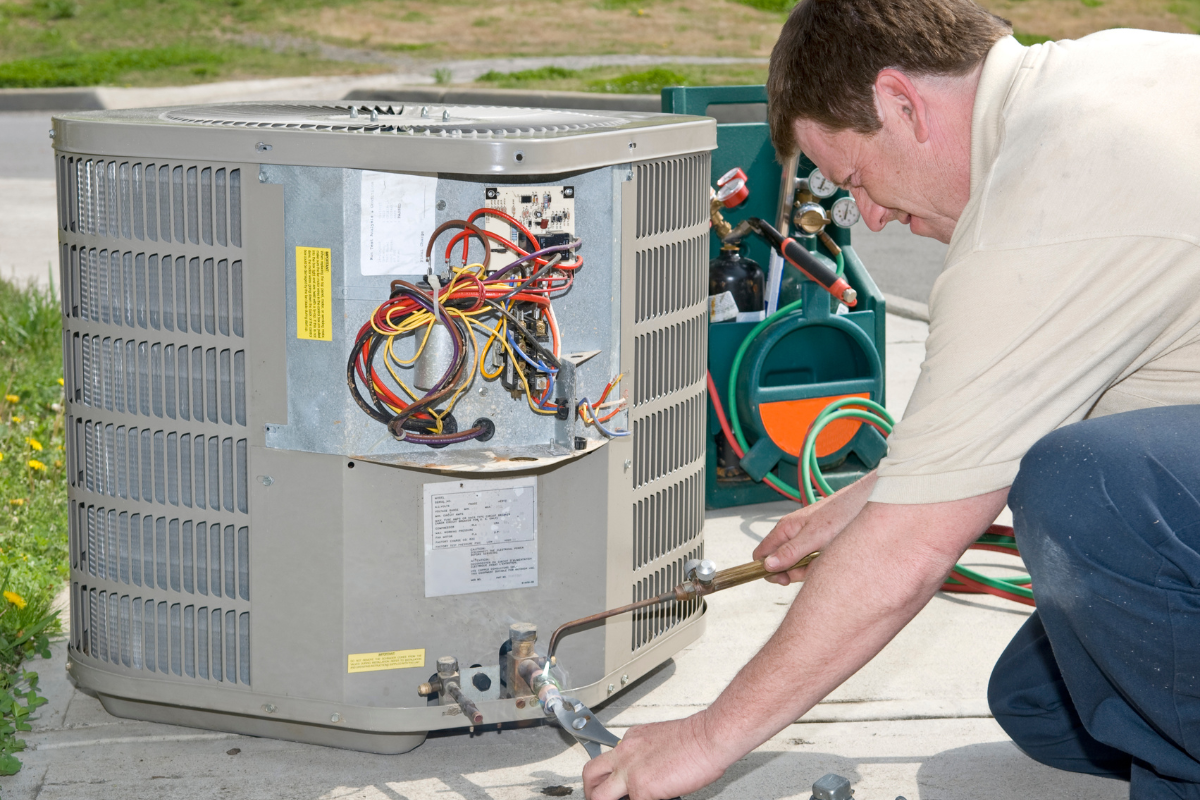
Introduction: The Allure of DIY Repairs
When your air conditioning unit starts sputtering during a scorching summer day, the temptation to roll up your sleeves and tackle the problem yourself can be strong. After all, how hard can it be? YouTube tutorials abound, and hardware stores are just around the corner. But before you grab that wrench and start tinkering, let’s delve into Why DIY Repairs Might Not Be Worth It When It Comes to HVAC Systems.
The Complexity of HVAC Systems
HVAC systems are intricate machines designed to provide comfort in our homes. They involve various components like compressors, evaporators, condensers, and refrigerants that work together harmoniously. Unfortunately, this complexity means that diagnosing issues without professional training can lead to missteps and further complications.
Common HVAC Problems That Tempt DIY Solutions
Many homeowners face common HVAC issues such as:
- Inconsistent cooling or heating Strange noises from the unit Water pooling around the system High energy bills
While these problems may seem manageable on the surface, they often require specialized knowledge for correct diagnosis and repair.
Why DIY Repairs Might Not Be Worth It When It Comes to HVAC Systems
The idea of saving money through DIY repairs is appealing. However, when it comes to HVAC systems, the risks might outweigh the benefits. Here’s why:
1. Lack of Specialized Knowledge
Attempting a repair without understanding how an air conditioning system works can lead to further damage. For instance, improperly handling refrigerant can not only damage your unit but also pose health risks due to its toxic nature.
2. Warranty Issues
Many HVAC systems come with warranties that require professional installation or service for coverage to remain valid. If you attempt a repair yourself and something goes wrong, you might void your warranty entirely.
3. Safety Concerns
DIY repairs can expose you to various safety hazards. Electrical shocks are a real concern when working on any HVAC system since these units operate on high voltage.
4. Time Consumption
A simple repair may take hours or even days if you're unfamiliar with the system's workings. This time could be better spent elsewhere rather than frustrated over a project gone awry.
5. Costly Mistakes
What seems like a minor fix could escalate into a costly disaster if not handled correctly. Hiring an expert for ac repair may seem pricey upfront but could save you money in the long run by avoiding expensive mistakes.
6. Inefficient Repairs
Even if you manage to fix an issue temporarily, improper repairs often lead to recurring problems down the line—costing more money over time than hiring a professional would have initially.
Understanding Your System: The Importance of Professional Knowledge
What is HVAC?
HVAC stands for Heating, Ventilation, and Air Conditioning—the essential elements that keep indoor environments comfortable year-round.
Components of an HVAC System
Understanding what makes up your system is crucial:
- Compressor: Pressurizes refrigerant. Condenser Coil: Dissipates heat. Evaporator Coil: Absorbs heat from inside. Ductwork: Distributes conditioned air throughout your home.
Each part has its role; neglecting one could compromise others.
The Role of Professionals in HVAC Repair Services
Professional ac repair services bring experience and expertise that most homeowners lack:
Comprehensive Diagnostics: Professionals have tools and methods for diagnosing issues accurately. Correct Tools: They possess specialized tools tailored for complex repairs. Experience: Years of hands-on experience enable them to recognize potential problems quickly.The Hidden Costs of DIY Repairs vs Professional Services
| Aspect | DIY Repairs | Professional Services | |-----------------------------|--------------------------------|-------------------------------------| https://archerxbix733.trexgame.net/why-your-ac-isn-t-cooling-and-how-repair-helps | Initial Cost | Low (tools & parts) | Higher (service fee + parts) | | Long-term Costs | Potentially High | Predictable | | Time Investment | Significant | Minimal | | Risk of Errors | High | Low | | Safety Concerns | Present | Minimized |
Frequently Asked Questions (FAQs)
1. What should I do if my AC stops working?
Answer: Start by checking your thermostat settings and power supply. If those are fine but you're still having issues, it's best to contact ac repair service professionals who can diagnose and resolve the problem safely.
2. How much does professional AC repair cost?
Answer: The cost varies based on location and issue severity but expect anywhere from $100-$500 for typical repairs in Tampa AC repair services.
3. Can I perform maintenance on my HVAC system myself?
Answer: While basic maintenance like changing filters is acceptable for homeowners, major servicing should always be left to professionals who understand complex systems thoroughly.
4. What are signs my AC needs immediate attention?
Answer: If you notice strange noises, unusual smells, or inconsistent temperatures throughout your home—contact an air conditioning repair service immediately.
5. Is it safe to handle refrigerants?
Answer: No! Refrigerants contain chemicals that can be harmful if inhaled or touched without proper equipment; handling them requires specialized training.
6. How often should I have my HVAC serviced?
Answer: Ideally, schedule professional maintenance twice a year—once before summer cooling season begins and again before winter heating starts—to ensure optimal performance all year round.
Conclusion: Trusting Professionals Over DIY Fixes
When considering whether or not to tackle HVAC repairs yourself, weigh the pros against potential pitfalls carefully. The intricacies involved in air conditioning systems make them less suitable for DIY fixes compared with other household tasks like painting or gardening.
In many cases—especially in areas like Tampa where humidity levels fluctuate dramatically—trusting professionals ensures that not only will your system work efficiently but you'll also maintain peace of mind knowing everything was addressed correctly from the outset.
So next time you're tempted by a DIY video showing how easy it looks to fix an air conditioner… remember this article! Rather than risking further damage—or worse—consider reaching out to reliable ac repair services instead!
AC REPAIR BY AGH TAMPA
Address: 6408 Larmon St, Tampa, FL 33634
Phone: (656) 400-3402
Website: https://acrepairbyaghfl.com/
Frequently Asked Questions About Air Conditioning
What is the $5000 AC rule?
The $5000 rule is a guideline to help decide whether to repair or replace your air conditioner.Multiply the unit’s age by the estimated repair cost. If the total is more than $5,000, replacement is usually the smarter choice.
For example, a 10-year-old AC with a $600 repair estimate equals $6,000 (10 × $600), which suggests replacement.
What is the average cost of fixing an AC unit?
The average cost to repair an AC unit ranges from $150 to $650, depending on the issue.Minor repairs like replacing a capacitor are on the lower end, while major component repairs cost more.
What is the most expensive repair on an AC unit?
Replacing the compressor is typically the most expensive AC repair, often costing between $1,200 and $3,000,depending on the brand and unit size.
Why is my AC not cooling?
Your AC may not be cooling due to issues like dirty filters, low refrigerant, blocked condenser coils, or a failing compressor.In some cases, it may also be caused by thermostat problems or electrical issues.
What is the life expectancy of an air conditioner?
Most air conditioners last 12–15 years with proper maintenance.Units in areas with high usage or harsh weather may have shorter lifespans, while well-maintained systems can last longer.
How to know if an AC compressor is bad?
Signs of a bad AC compressor include warm air coming from vents, loud clanking or grinding noises,frequent circuit breaker trips, and the outdoor unit not starting.
Should I turn off AC if it's not cooling?
Yes. If your AC isn’t cooling, turn it off to prevent further damage.Running it could overheat components, worsen the problem, or increase repair costs.
How much is a compressor for an AC unit?
The cost of an AC compressor replacement typically ranges from $800 to $2,500,including parts and labor, depending on the unit type and size.
How to tell if AC is low on refrigerant?
Signs of low refrigerant include warm or weak airflow, ice buildup on the evaporator coil,hissing or bubbling noises, and higher-than-usual energy bills.